International Women’s Day 2026 marked a pivotal moment in the global struggle for gender equality. The theme: “: Rights. Justice. Action. For ALL Women and Girls” drew my recall on foundational advocacies on the same during the 1980s; and for decades to follow after the adoption of the Convention on the Elimination of All Forms of Discrimination Against Women (CEDAW) on 18th December 1979 by the United Nations General Assembly. At a global scale, the conventions and the annual commemorations are anchors for continuous focus on the need for justice for all women and girls in every sphere of life. As a young professional in 1985, I recall hosting delegates to the third conference of the United Nations Decade for women in 1985 at what was then Ngong-Jamhuri Agroforestry Centre under the Kenya Renewable Energy Development Project. The decade for women: 1976 – 1985 aimed at promoting equal rights for women globally. And globally, the process continues.
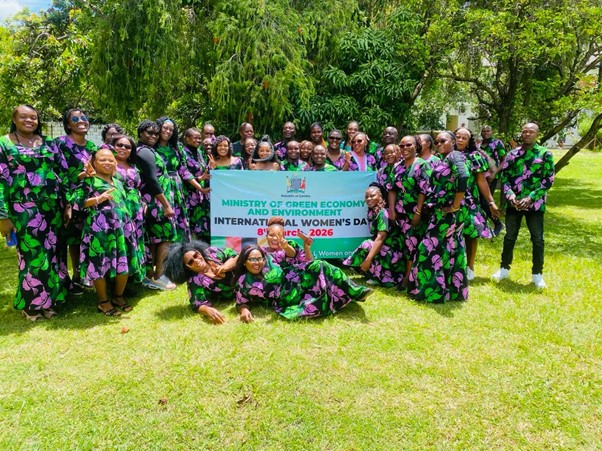
As I make these reflections, I must say that of all the years of commemorations, 2026 was professionally and socially the most enlightening. I call it the Zambia experience! The commemoration was marked with complete engagement by the Ministry of Green Economy and Environment leadership. All women were recognised with a memorable gift. Celebrations were held at an open woodland showcasing the value of nature as a right.
Why rights for women?
With specific reference to current global challenges like climate change, biodiversity loss and pollution, there is a justified need for special focus on creating space anchored on justice for women to operate, advance and make a rightful but gainful contribution to economic and social development.
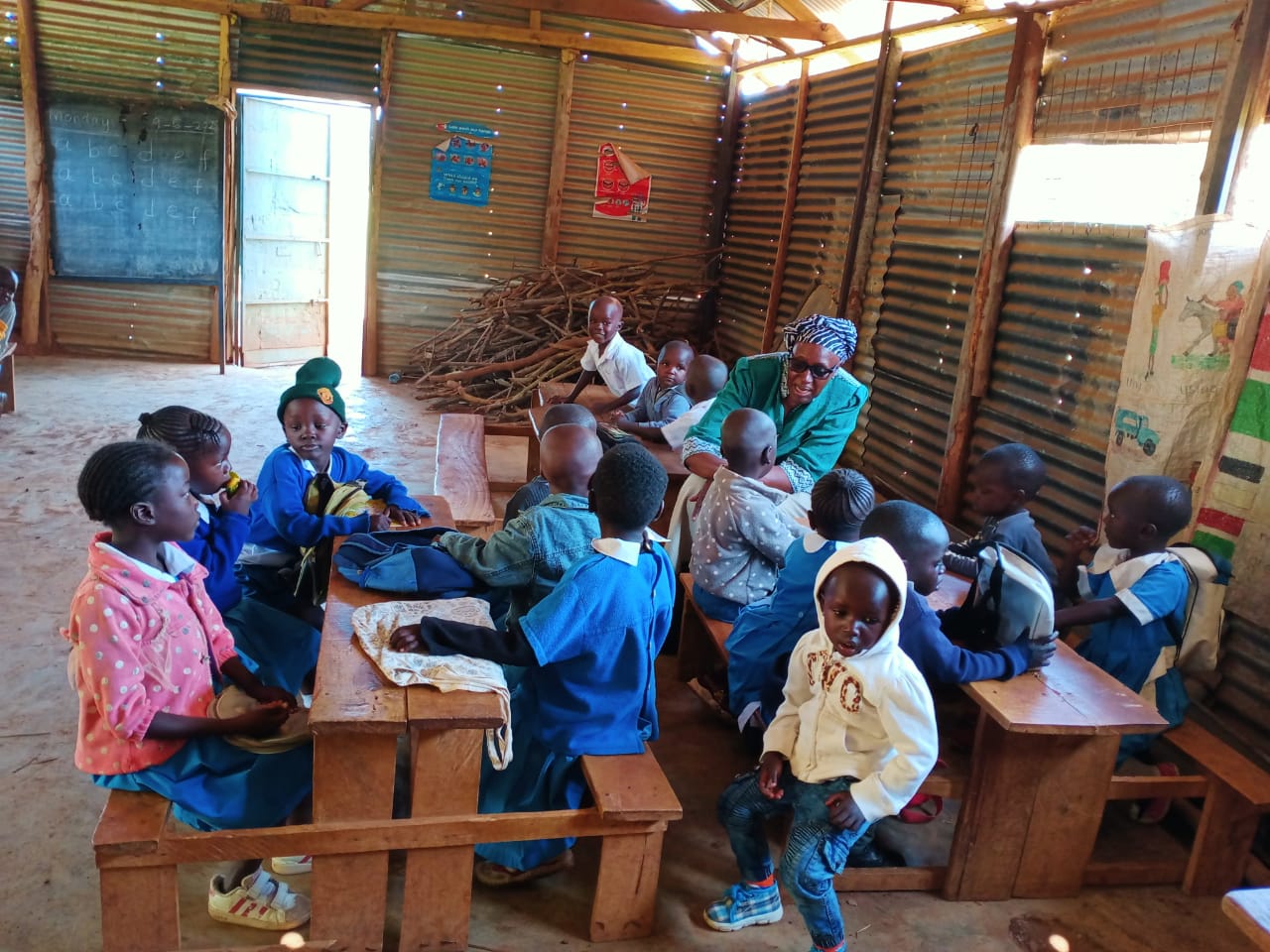
Among rural poor households, communities, for example, women continue to have the primary responsibility of contributing to household needs for energy by fetching woodfuel and water, ensuring household food and nutrition security. Cooking in poorly ventilated kitchens using wood fuel exposes them and young children under their care to harmful, polluted air and consequent poor health. But, the scale of investment and supportive policies on clean cooking solutions continues to be dismal, especially in Africa.
Notable efforts by global organizations like UNEP and the strategies that they promote through their Gander and Nature Action Strategy that amplify the fact that biodiversity loss and resource scarcity disproportionately affect women, contribute to gender-responsive environmental governance, but the scale of action requires intensification. The UN Women’s Gender Equality and Climate Policy Scorecard shows that many national climate policies still lack gender responsiveness, limiting women’s participation in climate action.
International Women’s Day 2026 was both a celebration of progress and a call to action. Global and national stakeholders must recommit to CEDAW principles, prioritise gender-responsive climate and green economy policies, and invest in women’s empowerment programs. Transformative, sustained targeted action is still required at scale to achieve full justice and equality.