Conservation is often associated with restoring forests, protecting biodiversity, and rehabilitating degraded ecosystems. Yet behind every successful restoration project is something equally important: people with the knowledge, leadership, and skills to turn vision into impact.
At Pristine Sustainable Ecosystems (PRISE), we believe that lasting environmental change depends not only on healthy ecosystems but also on capable people and institutions. Whether restoring wetlands, promoting climate resilience, or supporting community-based conservation, success is built on effective leadership, collaboration, and sound project management.
This is why continuous learning and mentorship are so important.
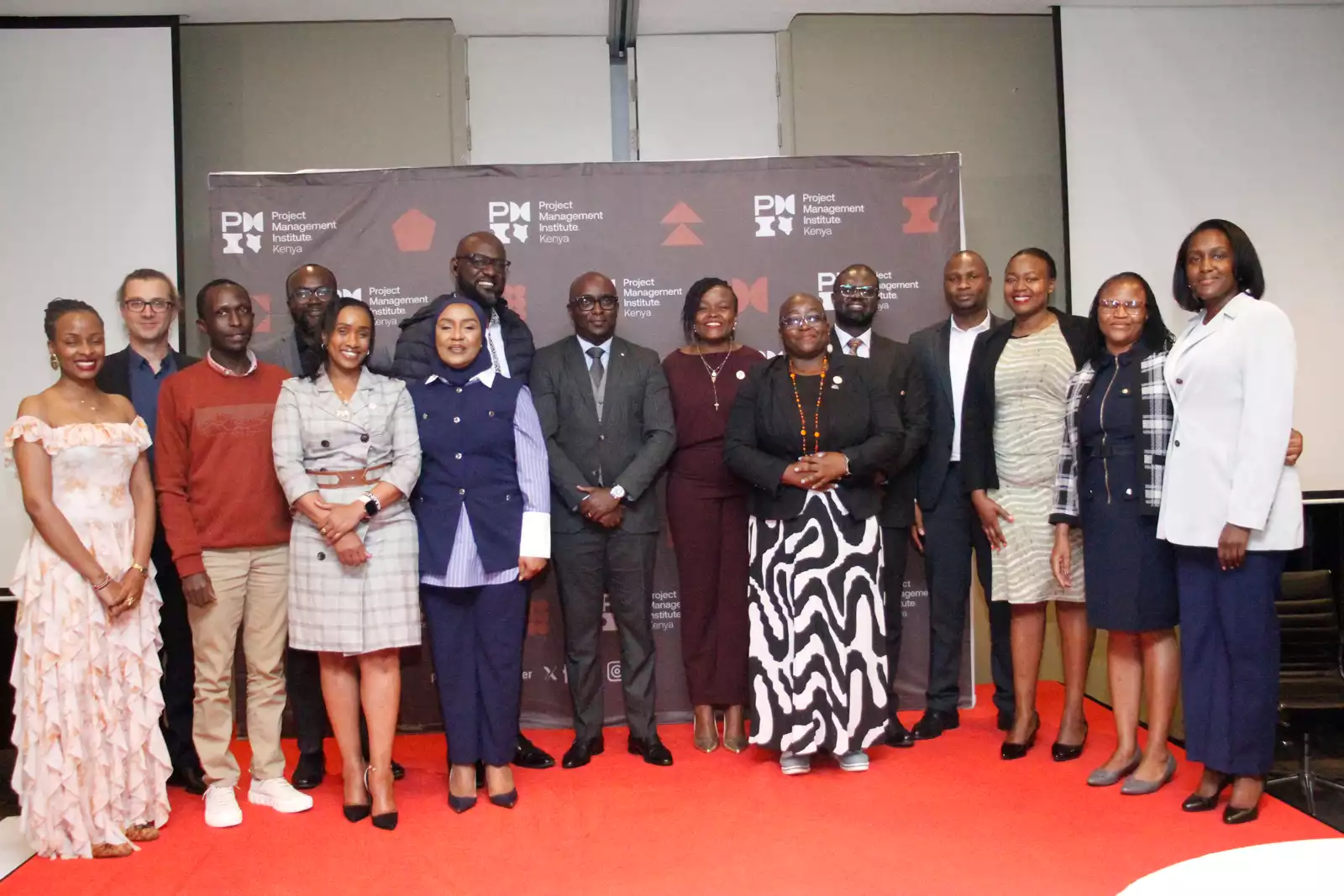
Recently, I had the opportunity to participate in the Project Management Institute (PMI) Kenya Chapter Mentorship Programme, an experience that reinforced an important lesson: great mentors do more than provide answers; they help people discover better questions. My mentor, Jane Muli, challenged me to think differently about leadership and introduced me to the discipline of project management as a framework for delivering meaningful and sustainable impact.
(From Rt) Michael Marosi , Jane Muli and PMI-Kenya chapter board president Maureen Mbithi during the award ceremony. Photo: Michael Marosi.
The experience highlighted a truth that resonates deeply with environmental conservation. Every restoration initiative, community programme, or climate adaptation project is ultimately a project that requires clear objectives, stakeholder engagement, careful planning, resource management, and continuous learning. Without these foundations, even the best environmental ideas can struggle to achieve lasting results.
This lesson is equally relevant for organizations like PRISE.
Strong governance extends beyond oversight and accountability. It also includes investing in people. Board members and experienced professionals bring years of technical expertise, strategic thinking, and practical experience that can help shape the next generation of environmental leaders. Mentorship creates opportunities to transfer that knowledge, strengthen institutional capacity, and build resilient organizations capable of addressing increasingly complex environmental challenges.
The parallels between ecosystem restoration and mentorship are striking.
Nature rarely recovers overnight. Healthy ecosystems regenerate through patience, consistent care, adaptive management, and long-term commitment. Developing people follows the same path. Leadership grows through guidance, experience, reflection, and opportunities to learn from others who have walked the journey before.
For organizations working at the intersection of conservation, climate action, and sustainable development, investing in people is as important as investing in projects. Technical expertise must be complemented by leadership, communication, project management, and collaborative problem-solving if environmental solutions are to deliver meaningful and lasting outcomes.
As environmental challenges become more interconnected, the conservation sector needs professionals who can bridge science, policy, communities, and implementation. Continuous professional development, mentorship, and lifelong learning help build that capacity while strengthening the institutions that drive environmental progress.
At PRISE, we recognize that restoring ecosystems and empowering people are complementary goals. By nurturing emerging conservationists, supporting professional growth, and fostering a culture of learning, we strengthen our ability to deliver sustainable solutions for people and nature alike.
Protecting ecosystems is ultimately about leaving a legacy. That legacy is measured not only by healthier landscapes and thriving biodiversity but also by the people we equip to continue the work for generations to come.
_Michael Marosi is a board member at Pristine Sustainable Ecosystems